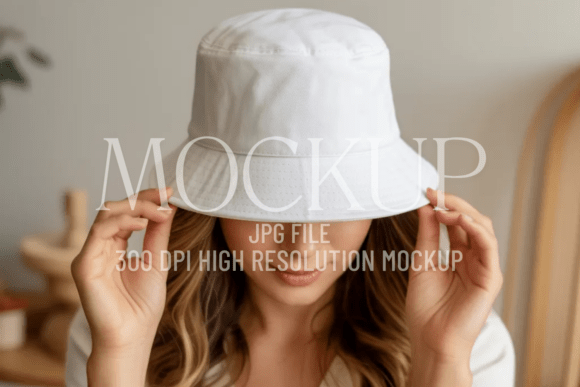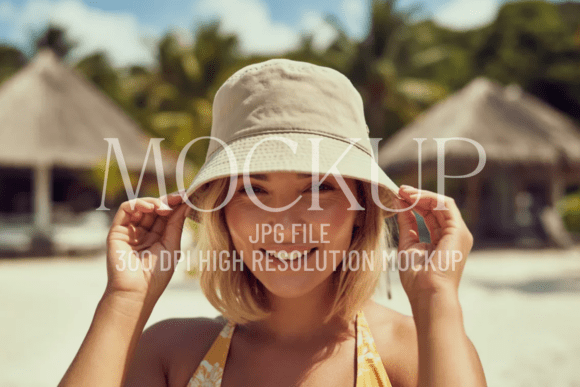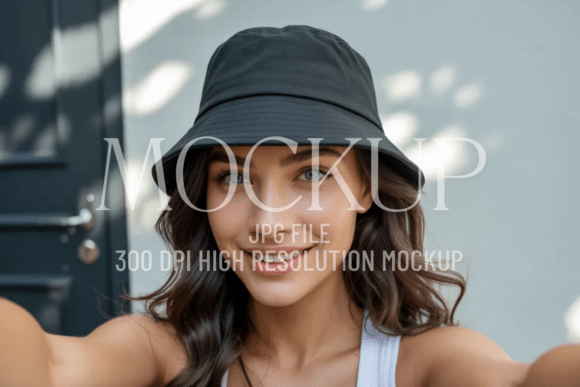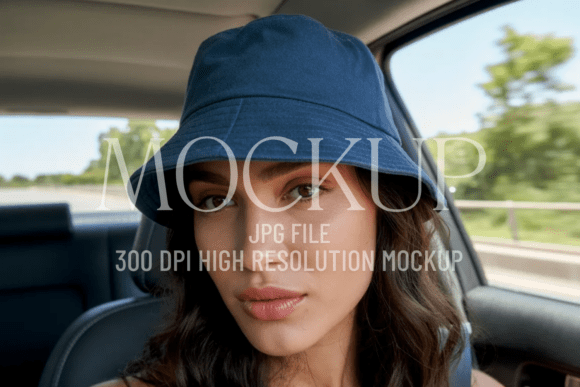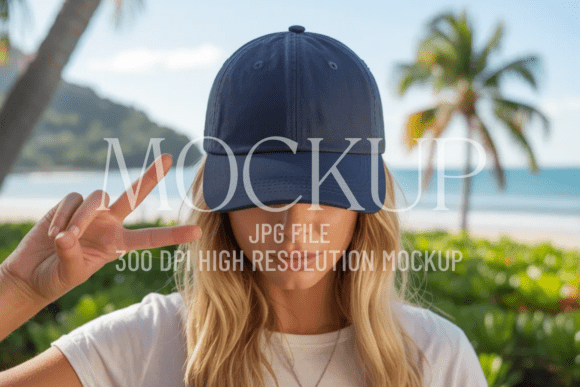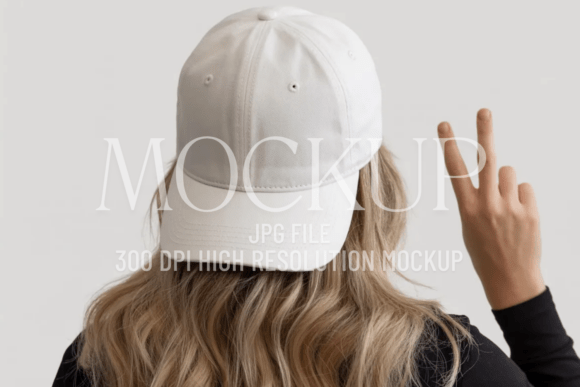
White Baseball Hat Mockup
A White Baseball Hat Mockup isn’t just another design tool—it’s a quiet upgrade to how you present your work. Whether you’re launching a new logo, testing a slogan, or preparing social media visuals for a small business launch, this mockup delivers clean, confident context without distraction. Its minimalist aesthetic—crisp white fabric, soft shadows, natural lighting—lets your design take center stage while signaling professionalism and intentionality. That’s why creators from freelance illustrators to boutique brand managers reach for it: it bridges the gap between raw artwork and real-world perception.
Why “Minimal” Isn’t Just a Style Choice—It’s a Strategic One
Many assume “minimal mockup” means stripped-down or basic—but that’s a misunderstanding. In reality, ✨ Premium Minimal Mockup is carefully engineered: no text overlays, no artificial textures, no forced angles or exaggerated folds. What you get is authenticity—not a flashy stage, but a calm, credible environment where your design speaks for itself. This matters especially when sharing visuals with clients or posting on platforms like Instagram or Pinterest, where visual clarity directly affects engagement and trust.
One common mistake? Using overly stylized or cluttered hat mockups—ones with heavy shadows, unrealistic fabric distortion, or distracting backgrounds. These don’t showcase your design; they compete with it. Worse, they can unintentionally misrepresent how your artwork will actually look in production—leading to client confusion or even rework later.
What People Overlook (and Why It Costs Time & Credibility)
Before downloading or purchasing any White Baseball Hat Mockup, three details are often skimmed—but shouldn’t be:
- Resolution and DPI: A mockup labeled “high quality” might still be 72 DPI—fine for web previews, but unusable for print, packaging, or professional presentations. The included 300 DPI high-resolution JPG ensures sharp output at any scale—whether you’re printing a lookbook or embedding in a pitch deck.
- Layer flexibility vs. simplicity: Some users expect editable PSD layers—and feel disappointed when they receive a flattened JPG. But here’s the correction: a clean, non-layered JPG isn’t a limitation—it’s a deliberate choice for consistency and speed. No layer blending modes to troubleshoot, no font mismatches, no accidental transparency glitches. You place your design once, adjust opacity or blend mode if needed (in your own editing software), and move on.
- Background neutrality: A mockup with a subtle gradient, studio light spill, or visible floor reflection may look “realistic,” but it limits versatility. The absence of background elements—no text, tags, or watermarks—means you can drop it into any layout, add your own backdrop, or use it across multiple brand guidelines without visual conflict.
Real Examples: Small Choices, Big Differences
Consider two designers preparing mockups for the same eco-friendly apparel brand:
Designer A chooses a free mockup with a warm-toned background and dramatic side lighting. When placed beside product photos on the brand’s Shopify page, the color temperature clashes—the mockup looks warmer, the actual product cooler. Customers question consistency. Designer B uses the White Baseball Hat Mockup, matching lighting tone and neutral base. The result? Cohesion. Trust. A seamless visual story.
Or take a freelance educator creating workshop handouts. She needs to show how her quote-based designs translate onto wearable merch. With a busy mockup full of props and shadows, her typography gets visually lost. Switching to the minimal version—clean, centered, softly lit—her words land clearly. Attendees remember the message, not the clutter.
How to Use It Well (Without Overcomplicating Things)
You don’t need advanced software to make this work. While tools like Photoshop offer precise smart object replacement, even Canva users can achieve strong results: import the JPG, overlay your design using “Multiply” or “Normal” blend mode, resize to fit the front panel naturally (not stretched or skewed), and adjust brightness/contrast slightly if your artwork has low contrast against the white fabric.
Avoid the temptation to over-edit. Don’t add extra shadows, gloss effects, or texture overlays—those are already baked in subtly. The mockup’s strength lies in restraint. If your design feels “flat,” the fix is usually better contrast or bolder typography—not more effects.
Before You Download: A Quick Checklist
Ask yourself these questions before committing:
- Is the file format compatible with your workflow? (This mockup delivers a ready-to-use JPG—no installation, no fonts to install, no layers to manage.)
- Does the lighting match other assets you’ll pair it with? (Soft, even front lighting works across most branding contexts.)
- Will it scale cleanly for your intended use? (At 300 DPI, it holds up in presentations, printed collateral, and digital ads alike.)
- Is it truly neutral—no hidden branding, no licensing restrictions on commercial use? (Yes—this is a clean, watermark-free asset designed for real work.)
Final Thought: Presentation Is Part of the Product
Your design is only as effective as the context it lives in. A brilliant logo on a poorly chosen mockup can feel amateurish. A thoughtful quote loses impact when buried under visual noise. The White Baseball Hat Mockup removes guesswork—not by doing the creative work for you, but by giving your work the respectful, polished frame it deserves. It doesn’t shout. It supports. And in today’s crowded visual landscape, that kind of quiet confidence is rare—and valuable.
Bring your creativity to life with ease 🎨💫—not because the tool is flashy, but because it’s reliable, intentional, and quietly powerful.